

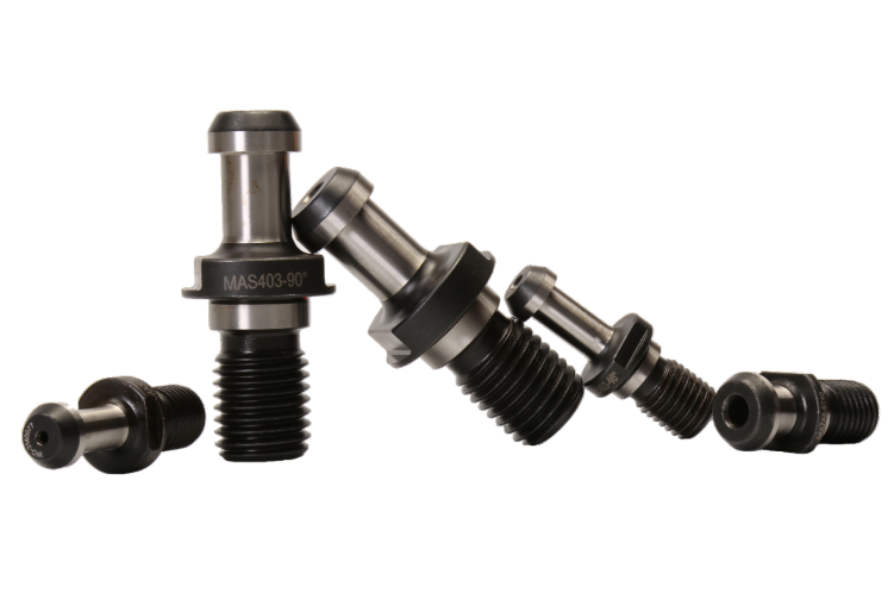
A CNC machining centre may experience tool-changing or retention problems even when the cutting tool and holder appear to be in good condition. One component that deserves attention during troubleshooting is the Pull Studs used with compatible tool holders.
Also known as retention knobs in many machining environments, these components connect the tool holder with the machine's retention mechanism. Their dimensions and compatibility are therefore critical.
Why Pull Stud Selection Matters
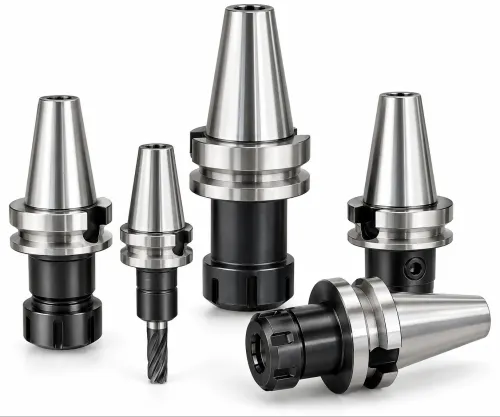
Pull studs are installed at the rear of compatible CNC tool holders. During operation, the machine's drawbar mechanism grips the stud and retains the tool holder in the spindle.
Because machine interfaces differ, pull studs are not universally interchangeable.
Differences can involve:
- Thread specification
- Overall length
- Knob geometry
- Neck dimensions
- Flange configuration
- Machine compatibility
A stud that physically threads into a holder is not automatically correct for the spindle and retention system.
Common Problems Worth Investigating
When a machining centre develops tool retention or automatic tool-changing issues, operators should inspect the complete system rather than immediately replacing one component.
Pull stud-related concerns may include visible wear, damaged threads, incorrect dimensions, deformation, or use of a stud that does not match the machine requirement.
Other machine conditions can produce similar symptoms, so spindle, drawbar, holder, and tool changer condition should also be evaluated.
Mixing Similar-Looking Studs Is Risky
One of the easiest mistakes in a busy machine shop is storing different retention knob specifications together.
Two studs can look nearly identical while having important dimensional differences.
For production units operating several CNC machine brands or spindle configurations, inventory should be clearly separated and identified according to machine compatibility.
This reduces the likelihood of operators fitting the wrong component during a quick tooling change.
Replacement Should Be Specification Based
When purchasing replacement Pull Studs, relying only on an old component's appearance can lead to errors.
It is better to verify:
- CNC machine make and model
- Spindle taper/interface
- Tool holder specification
- Thread requirement
- Pull stud dimensions
- Applicable machine recommendations
Where uncertainty exists, technical specifications should be confirmed before the component enters production.
Don't Ignore Routine Inspection
Retention components operate through repeated tool changes and spindle cycles. Regular visual inspection can identify wear before it becomes a larger production problem.
Operators should pay attention to threads, contact areas, surface damage, and any unusual marks.
LEXIS Tooling Systems Private Limited supplies tooling solutions for industrial machining requirements, where correct matching of holders and related accessories can simplify maintenance and replacement decisions.
For CNC machining facilities in Kinathukidavu and across the Coimbatore industrial region of Tamil Nadu, reducing unplanned machine interruptions is important because one machining centre may support several production stages.
Correctly specified Pull Studs are only one part of that reliability equation, but they should never be treated as generic fasteners. Maintaining clear specifications, separating different types in storage, and replacing damaged components with compatible alternatives can help prevent avoidable tool-retention and tool-change complications.