

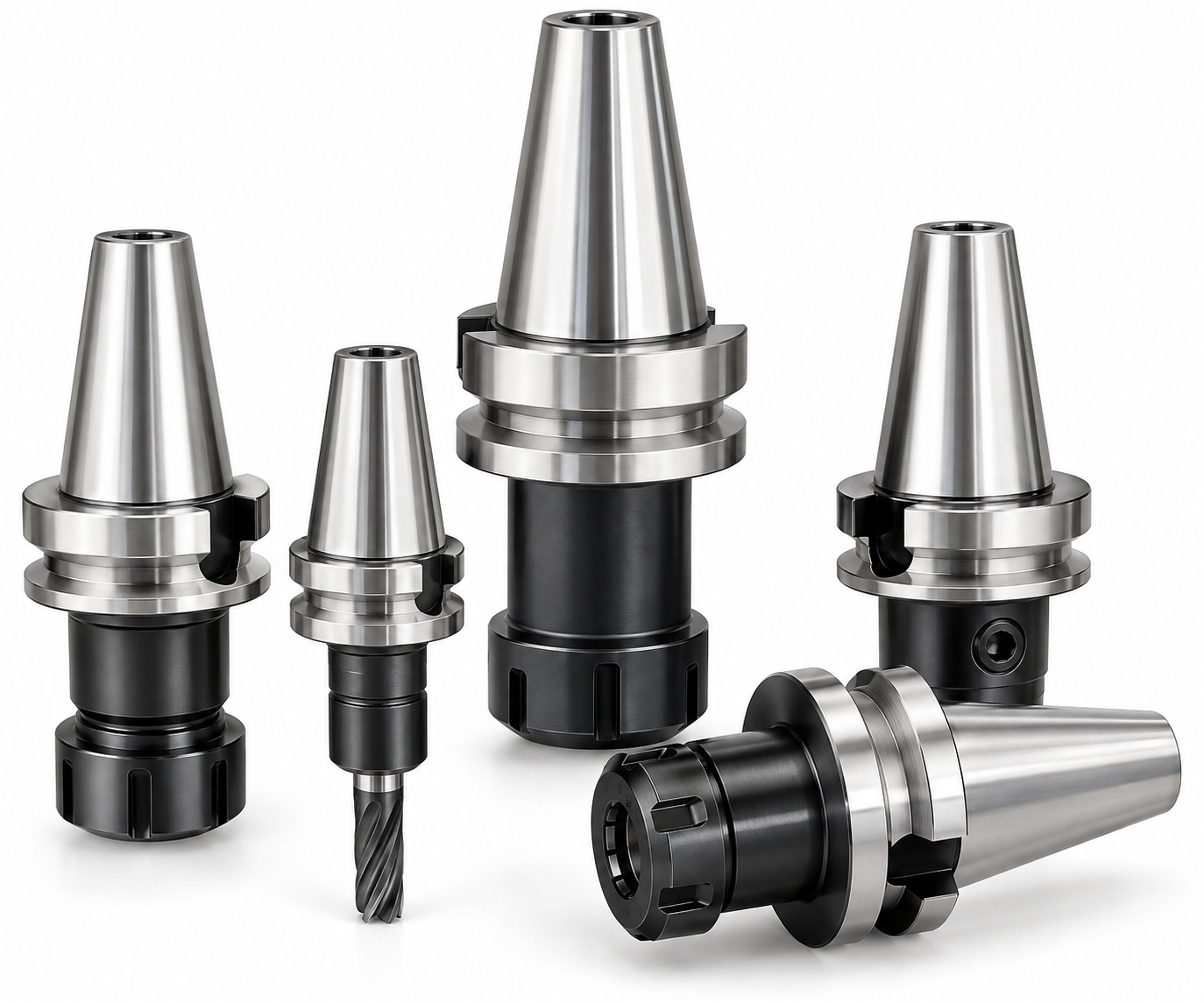
Tool holder selection becomes increasingly important as manufacturers pursue stable machining, repeatable dimensions, and controlled cutting at demanding conditions. BBT Holders use a dual-contact interface in compatible spindle systems, where both taper and flange contact contribute to the connection.
For machining businesses in Kinathukidavu and elsewhere in Tamil Nadu, buying BBT tooling requires more than checking the taper size printed in a catalogue.
Confirm the Spindle Is Compatible
The first check is the CNC machine itself.
A holder should match the spindle interface for which it was designed. Similar-looking tooling standards should not be treated as interchangeable without verifying machine and tooling specifications.
Confirm the machine model, spindle interface, taper size, and retention requirements before placing an order.
Define the Actual Machining Operation
The word 'precision' can mean different things across manufacturing environments.
A mould manufacturer performing finishing operations may prioritise different holder characteristics from an automotive component unit performing repetitive drilling or milling.
Before choosing a holder, document:
- Cutting tool type
- Tool diameter
- Machining operation
- Spindle speed
- Required reach
- Component tolerance
- Workpiece material
- Production volume
This creates a much clearer purchasing specification.
Look at Holder Projection
Long tool assemblies may be necessary for deep cavities and difficult-to-access features, but greater projection can influence rigidity.
Select the shortest practical configuration that still provides safe access to the machining area.
Tool length should be evaluated together with fixture clearance and component geometry rather than in isolation.
Consider the Complete Tool Assembly
The holder is only one part of the setup.
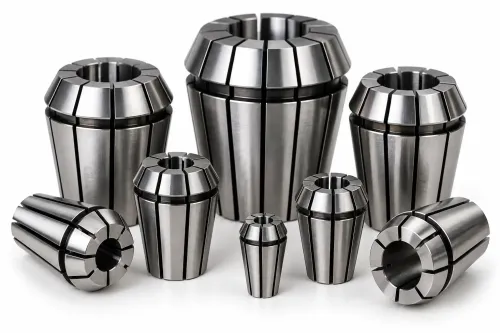
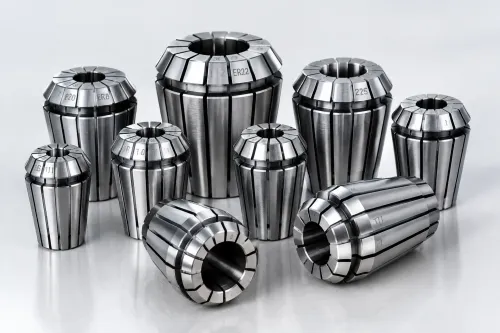
Collets, cutting tools, pull studs where applicable, sleeves, nuts, and other accessories can influence how the assembly performs. Mixing incompatible or worn components can undermine the benefit of using a suitable holder.
Cleanliness also matters. Contact surfaces should be inspected and maintained according to the tooling and machine requirements.
Ask About Repeat Requirements
Production units rarely buy only one holder forever. Replacement, expansion, and standardisation become important as more machines and jobs are added.
A supplier should therefore be able to understand the tooling specification clearly enough to support repeat requirements.
LEXIS Tooling Systems Private Limited serves industrial machining requirements involving tool-holding and related precision tooling components. For manufacturers evaluating BBT systems, clear machine and application information makes tooling selection more reliable.
Kinathukidavu is positioned near Coimbatore's established engineering belt, where CNC machining is widely used across pump manufacturing, automotive components, machinery, dies, moulds, and general engineering.
For businesses in this region, BBT Holders should be purchased as part of a complete machining system rather than as isolated accessories.
Verify spindle compatibility first. Then assess the operation, tool size, projection, required accuracy, and supporting components. This approach reduces the risk of purchasing tooling that fits a catalogue description but does not properly address the conditions on the shop floor.