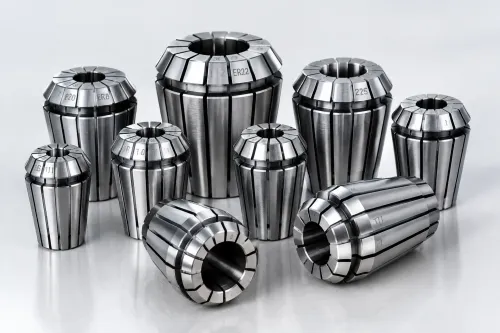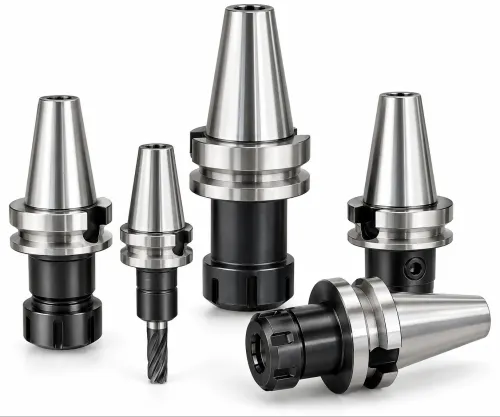


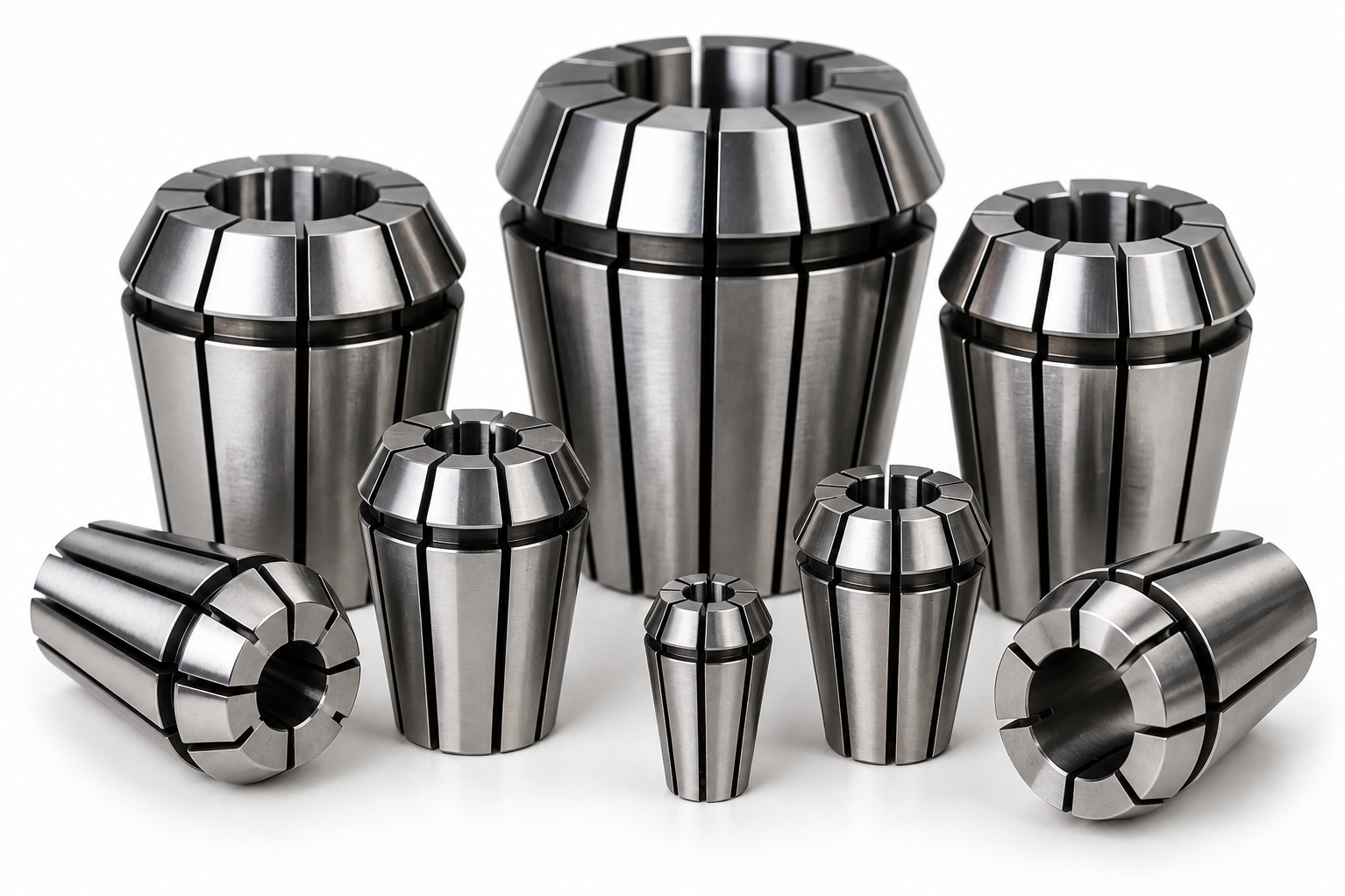
Replacing a worn workholding component can look like a straightforward purchasing task until several similar collet designs appear in front of the buyer. Lathe Machine collets differ according to machine design, gripping range, workpiece dimensions, and application, which makes specification checking essential before purchase.
For turning units and engineering workshops in Kinathukidavu, Tamil Nadu, a short buying checklist can prevent many common ordering errors.
Confirm the Lathe or Turning Machine
Start with the exact machine on which the collet will be installed.
Record the manufacturer, model, and existing workholding arrangement. Older production machines may use specific collet configurations that cannot be identified reliably from the words 'lathe collet' alone.
Where documentation is limited, measurements and a correctly identified existing sample may help establish the requirement.
Measure the Workpiece Correctly
The workpiece diameter should match the intended gripping range of the selected collet.
Do not assume that a collet can safely accommodate any nearby diameter. Excessive opening or compression can interfere with proper gripping and shorten component life.
For recurring jobs, record the actual bar or component size used in production.
Define the Component Shape
Round stock is common, but manufacturing applications are not limited to one geometry.
Where a non-standard profile or special gripping arrangement is involved, provide accurate information rather than ordering a standard collet and attempting to adapt it later.
Component drawings can make these discussions clearer.
Check Production Requirements
A job produced occasionally has different demands from one manufactured continuously across several shifts.
Buyers should consider:
- Batch size
- Loading frequency
- Required tolerance
- Material
- Cutting load
- Changeover frequency
- Surface marking limitations
These factors can influence which workholding arrangement is appropriate.
Inspect the Existing Collet Before Reordering
A worn collet can provide useful information.
Look for part markings, dimensions, wear patterns, cracks, deformation, and gripping-surface condition. If the previous collet failed unusually quickly, investigate the cause rather than automatically ordering an identical replacement.
The machine or setup may also need attention.
Evaluate the Supplier's Technical Understanding
A tooling provider should be able to discuss machine compatibility and application requirements rather than treating every collet with a similar diameter as equivalent.
LEXIS Tooling Systems Private Limited supports industrial tooling requirements for machining environments, including collet systems used in turning and CNC applications.
Its location relevance is particularly useful for engineering businesses around Kinathukidavu and Coimbatore, where turned components are produced for numerous industries throughout Tamil Nadu.
Before requesting Lathe Machine collets, prepare the machine details, existing collet information, workpiece dimensions, component drawing where relevant, and expected production conditions.
That preparation can significantly reduce back-and-forth during procurement.
A collet should be selected as a precision workholding component, not as a generic replacement part. When machine compatibility, gripping dimensions, component geometry, and production conditions are checked before ordering, workshops are better positioned to achieve reliable workholding from the first setup.