

A CNC collet may be small compared with a machining centre, but an unsuitable or inconsistent collet can affect an expensive production process. For that reason, choosing a supplier for CNC collets should involve more than comparing unit prices.
Machine shops in Kinathukidavu, Coimbatore, and other manufacturing areas of Tamil Nadu can benefit from evaluating technical compatibility, consistency, range, and repeat requirements before finalising a tooling source.
Does the Supplier Ask About the Machine?
A useful first indicator is the information requested before recommending a collet.
Machine type, holder system, collet series, tool or workpiece diameter, and application can all influence selection.
If a recommendation is made without understanding these basic requirements, there is a greater chance of receiving tooling that does not match the intended setup.
Is the Required Collet Type Clearly Identified?
'CNC collet' is a broad description.
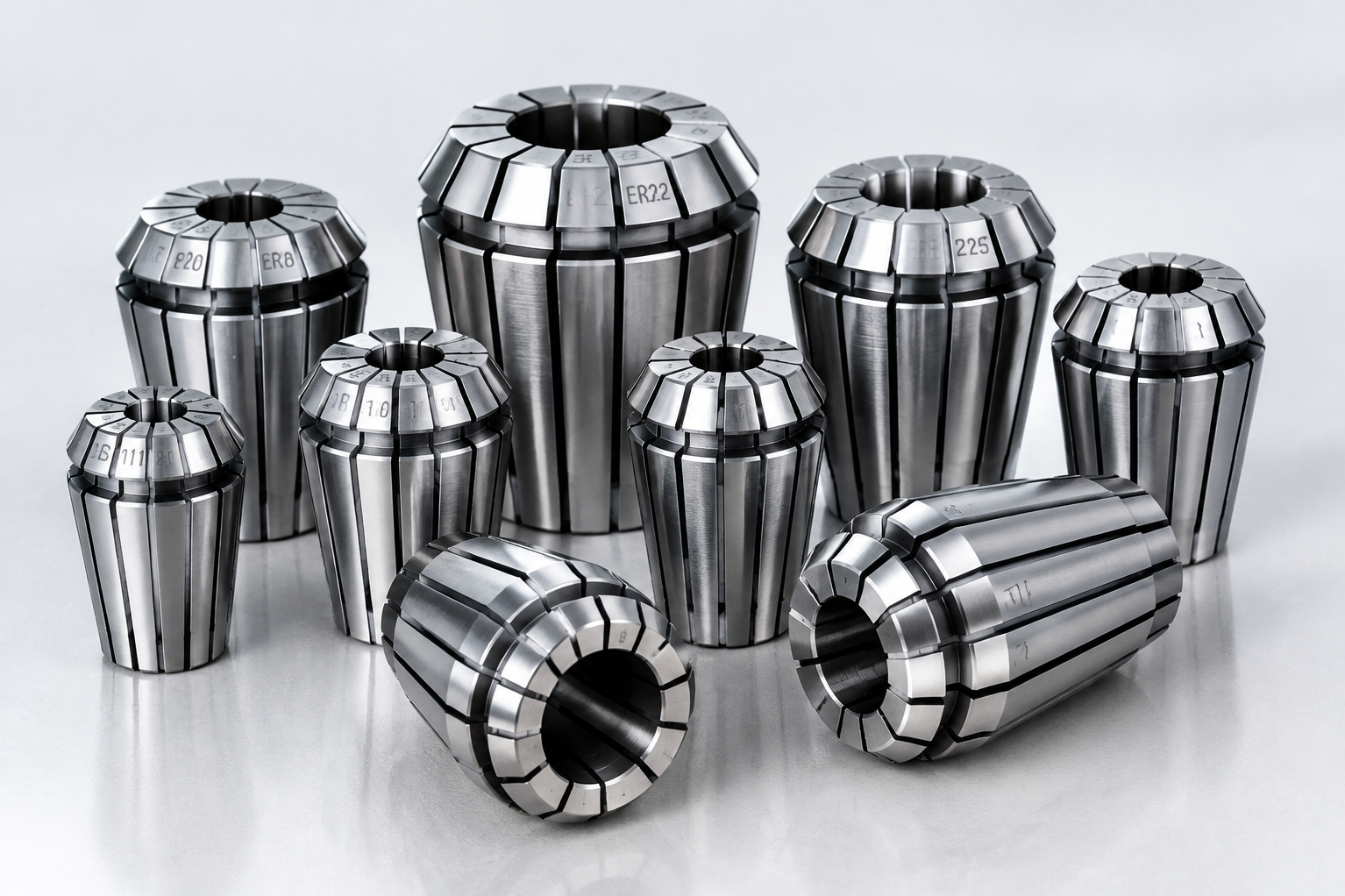
A manufacturing unit may need ER-type tool-holding collets, workholding collets, Traub-type products, or another machine-specific configuration.
Before ordering, the exact specification should be established rather than relying on a generic name.
Can Repeat Requirements Be Managed?
Production businesses often standardise tooling across machines and recurring jobs.
When the same component is required again, consistency in identification and specification becomes valuable. Clear part references, dimensional information, and organised purchasing records can simplify repeat procurement.
This matters particularly for businesses running several CNC machines.
Are Related Tooling Requirements Understood?
Collets do not work independently.
They interact with holders, nuts, sleeves, spindles, cutting tools, and other machine components. A tooling provider that understands these relationships can make specification discussions more efficient.
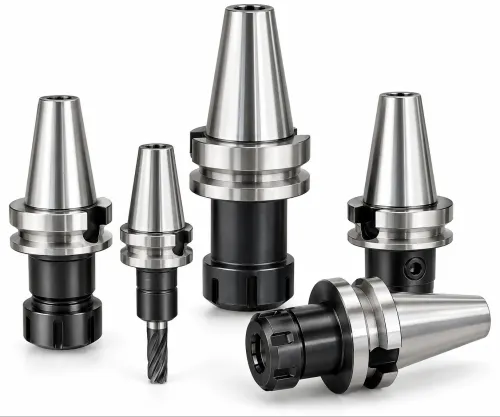
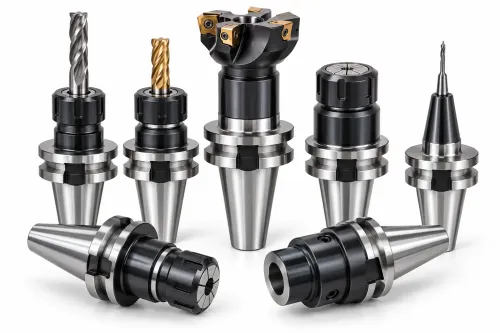
LEXIS Tooling Systems Private Limited works across industrial tooling categories that include collets and compatible machine-tool accessories. This broader context can be useful when production teams need to evaluate the complete tool-holding arrangement rather than one replacement component.
Is Selection Based on Application?
A collet for routine drilling may face different conditions from one used in precision finishing or repetitive production.
A supplier should therefore consider how the component will actually be used.
Production teams can prepare a simple enquiry containing:
- Machine make and model
- Existing holder or collet system
- Required diameter
- Tool or workpiece being held
- Machining operation
- Quantity required
- Existing part reference, if available
Photographs and dimensional drawings can also be useful where identification is difficult.
Local Industrial Context Matters
Kinathukidavu sits within reach of Coimbatore's extensive manufacturing network. Local businesses operate alongside pump manufacturers, automotive suppliers, machine builders, fabrication units, tool rooms, and general engineering companies.
These operations often need replacement tooling without creating unnecessary production delays.
Selecting a source for CNC collets should therefore focus on specification confidence and repeatability rather than price alone.
A suitable supplier should help the production team identify what is actually required, distinguish between similar tooling types, and support future repeat requirements with clear specifications. That creates a more dependable procurement process and reduces the likelihood of discovering a compatibility problem only after the tooling reaches the machine.