

Precision machining depends on many small factors working together correctly. Cutting tool quality, spindle condition, machine parameters, workpiece stability, and tool holding all influence the final component. Among these, the ER Collet plays an important role because it securely grips the cutting tool while maintaining alignment during machining.
For CNC machining units and engineering workshops in Kinathukidavu, Tamil Nadu, understanding collet selection can help reduce avoidable problems such as tool movement, vibration, inconsistent finishes, and premature tool wear.
What Is an ER Collet?
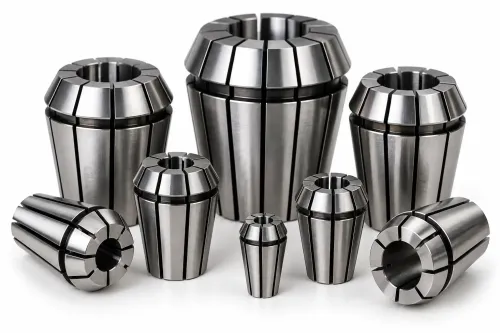
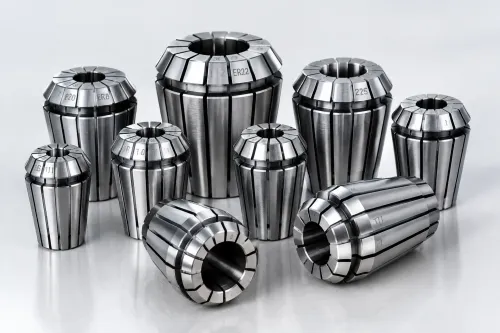
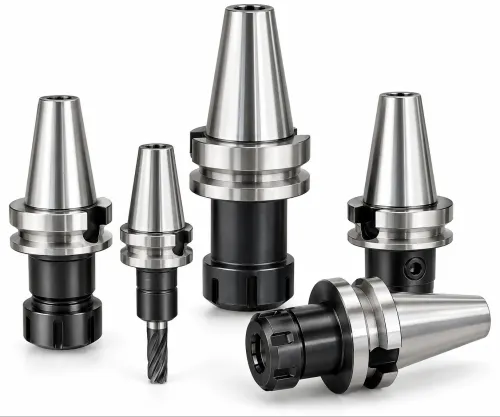
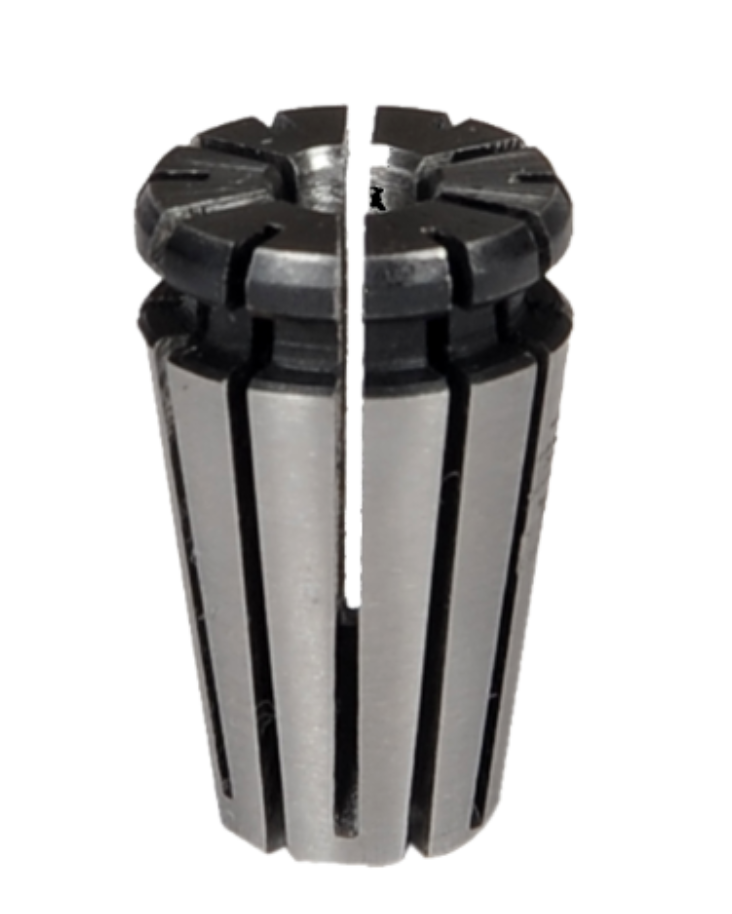
An ER Collet is a slotted precision component used inside a compatible collet chuck or tool holder. When the collet nut is tightened, the collet compresses evenly around the tool shank.
Its flexible construction allows a defined clamping range, making the ER system suitable for holding different cutting tools used in milling, drilling, reaming, engraving, and other machining operations.
Common applications include:
- CNC milling operations
- Drilling and reaming
- Engraving and routing
- Precision machining
- General engineering
- Tool room operations
- Component manufacturing
The correct collet should always be matched with the holder, tool diameter, and machining requirement.
Why Tool Holding Accuracy Matters
A cutting tool that is not held concentrically may rotate slightly away from the spindle's intended centreline. This condition is generally associated with runout.
Excessive runout can result in uneven cutting loads. One cutting edge may remove more material than another, causing inconsistent tool wear and affecting surface quality.
Reliable tool holding helps maintain:
- Better cutting stability
- Consistent dimensional control
- More uniform tool engagement
- Predictable machining performance
- Improved surface finish
- Reduced risk of tool slippage
An ER system cannot compensate for every spindle or machine-related problem, but a correctly selected and maintained collet supports a stable tooling setup.
Collet Condition Is Equally Important
Even a suitable ER system can perform poorly if the collet is damaged, contaminated, or incorrectly assembled.
Before installation, operators should inspect the collet for dirt, chips, corrosion, excessive wear, or deformation. The internal bore and mating surfaces should be kept clean because even small particles can interfere with proper seating.
The tool shank should also be checked before clamping. Damaged or contaminated shanks may affect grip and concentricity.
Selecting the Right ER Collet
Selection should be based on the actual application rather than simply choosing a collet that appears to accommodate the tool.
Important considerations include:
- Tool shank diameter
- Compatible ER holder series
- Required runout characteristics
- Cutting speed and load
- Machining operation
- Collet condition and quality
- Correct tightening procedure
LEXIS Tooling Systems Private Limited supports industrial machining requirements with tooling components intended for different machine and production applications.
For machining businesses in Kinathukidavu and the wider Coimbatore industrial region, paying attention to tool holding is particularly important where components are produced repeatedly and dimensional consistency matters.
A well-maintained ER Collet is a relatively small part of a CNC setup, but its influence extends directly to cutting stability, tool life, finish quality, and repeatability. Choosing the correct collet and following proper installation practices can therefore contribute to a more reliable machining process.