

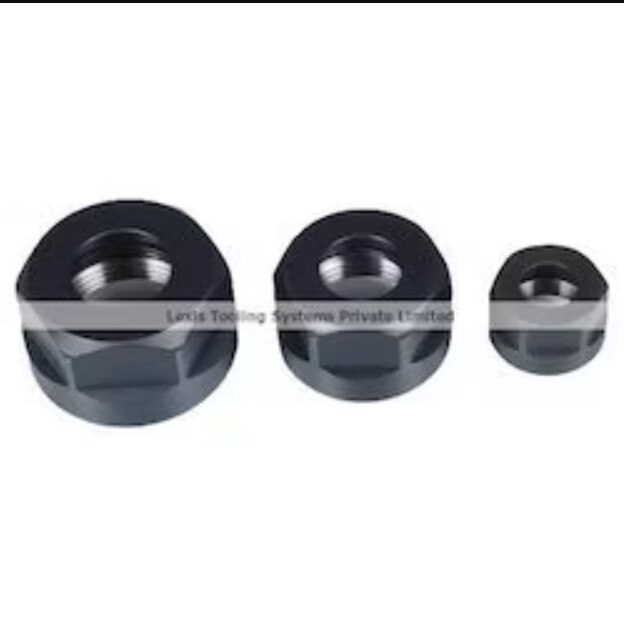
Production buyers do not choose a hex nut set merely because it contains more pieces than an individual nut purchase. They choose it when matched components reduce stockkeeping complexity, shorten changeovers and provide predictable compatibility across the plant. By the end, you will be able to define the set, compare nut designs, plan practical quantities and approve a supplier without accepting a vague “ER nut set” specification.
Key takeaways
- Match the nut thread, collet system and machine-tool interface before ordering.
- Choose nut design based on milling, drilling, tapping or turning demands.
- Size stock from machine usage, changeover frequency and supplier lead time.
- Request drawings, material details, inspection records and traceable batch information.
What a hex nut set changes in production purchasing
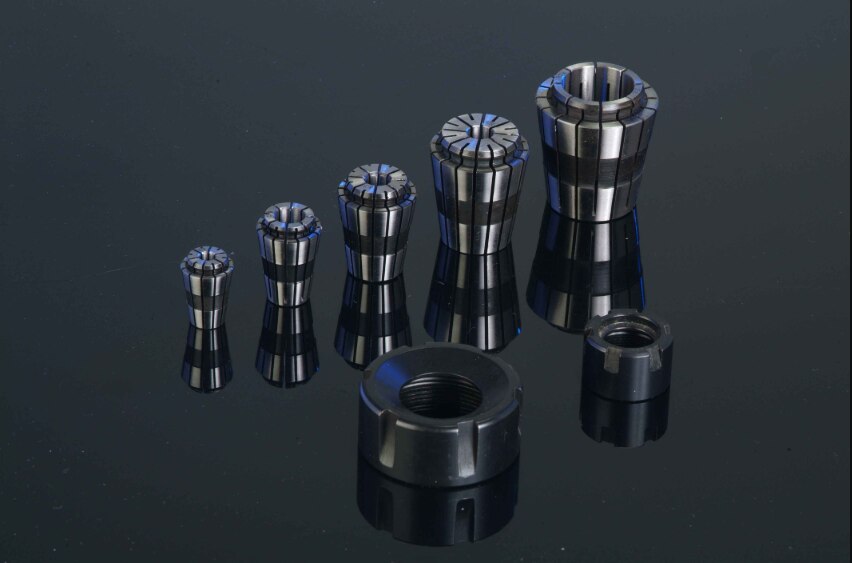
Buying matched hex nut sets gives production buyers controlled interchangeability, not merely a box of hexagonal parts. A proper collet-tooling set names the specific nut, matching collet system and machine-tool interface.
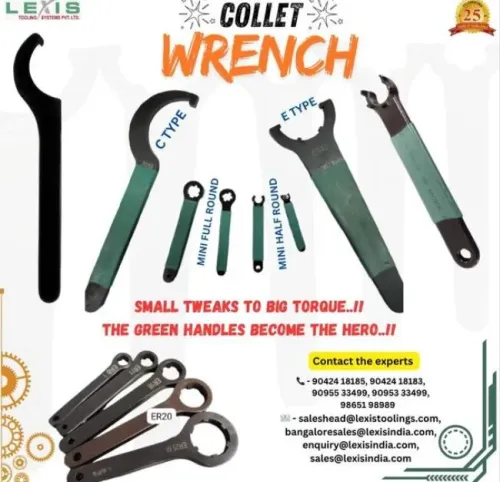
That interface may include the tool holder or spindle-side arrangement; collets, retaining rings, spanners and torque tools require separate orders unless the quotation lists them.
For bulk buyers, hex nut set benefits in Tamil Nadu production include fewer stockkeeping units, simpler purchase orders and faster replacement issue. Common stock can prevent a machine stoppage while someone sources one small nut. Replacements can move between machines using the same ER size and interface without changing the programmed toolholding arrangement.
- Define the set by ER size, thread, retaining-ring arrangement and machine interface, not by the word “hex.”
- Confirm that the supplier’s thread, retaining ring and nut profile match the existing system. A different design under the same nominal ER label destroys interchangeability and can cause poor seating or cross-threading.
- Base quantities on recurring tool-shank diameters, not every size in an ER family. A plant repeatedly using 6, 8 and 10 mm shanks may need those working sizes before a complete nominal range.
- Treat the quotation as the bill of materials. If it names only nuts, do not assume matching collets, rings, spanners or torque tools are included.
- Set reorder levels from actual usage and keep lot identification for replacements.
The result is a smaller, controlled inventory that supports production without confusing similar-looking components.
The compatibility checks that prevent a costly mismatch
A standardised hex nut set must match the complete collet-and-holder interface, not merely the visible hexagon. Put the following checks into the purchase procedure:
1. Name the applicable collet-system standard, such as DIN 6499 or ISO 15488, the ER series, thread size and pitch, nut outside diameter, wrench size, locating shoulder, seating geometry and retaining-ring arrangement. An ER32 nut is not interchangeable with an ER25 or ER40 nut because their external hex shapes look similar.
2. Compare the nut’s maximum speed rating with the spindle’s operating speed. Confirm interchangeability with the manufacturer; never assume that all nuts carrying the same nominal ER size will fit.
3. Request a dimensional drawing and measure radial clearance around the spindle nose, holder body, automatic tool changer and any recessed tooling. A correct thread still fails if the nut or wrench fouls adjacent geometry.
4. Test the assembled combination on the actual holder, collet and tool shank. Use a calibrated test bar or gauge pin to measure runout rather than checking only the nut’s outside diameter.
A mismatch starts with poor collet seating, which creates runout. Poor seating and inadequate grip then increase tool pull-out and vibration; vibration shortens tool life, while forced or cross-threaded assembly damages the nut and holder.
Remember that assembled runout depends on the taper, holder, collet, nut, tool shank, cleanliness and tightening method. A precision nut cannot restore accuracy to a worn holder or contaminated taper.
Which nut design fits milling, drilling, tapping and turning work
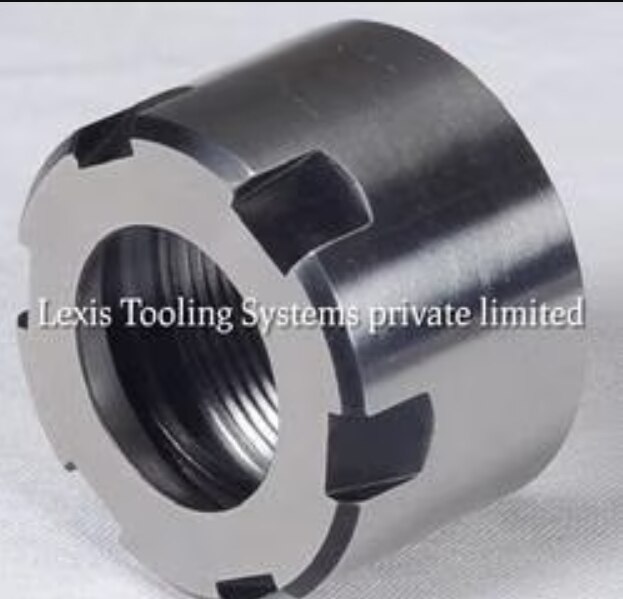
Choose a plain hex nut for recurring CNC milling, drilling or tapping when low cost, robust cleaning and simple maintenance matter. Its flats accept an open-end, ring or torque wrench, giving repeatable tightening where a hook spanner is awkward; confirm the wrench clears the spindle nose and does not foul the holder.
| Option | Access and gripping behaviour | Runout, changeover and cost |
|---|---|---|
| Plain hex nut | Broad wrench access; direct thread-to-collet contact gives predictable clamping when clean and correctly torqued | Fast changes and simple cleaning; lowest cost, but friction makes torque less consistent |
| Bearing-assisted or ball-bearing nut | Reduced nut-to-collet friction can make tightening more consistent | Potentially steadier clamping and runout; higher cost, extra axial length, and bearing protection from chips and coolant required |
| Mini nut | Shorter radial profile suits compact spindles and restricted holders | Quick access only if the correct collet range and wrench are available; cost varies |
| Low-profile slotted nut | Less radial interference, but needs a compatible hook or slotted-nut spanner | Useful in tight spaces; slower changes and less convenient torque control |
| Shrink-fit, recessed or automatic-change retention | Uses holder geometry rather than exposed hex flats | Better for dedicated high-speed or automatic systems; unsuitable when manual nut access is required |
For turning, verify turret clearance, toolholder geometry and speed rating before standardising. Do not choose a hex nut merely because it is available: a compact spindle or recessed holder can make its flats interfere.
Bulk buyers choosing hex nut sets for production machining should match the nut, collet system and holder interface, then confirm assembled runout with a clean tool shank.
How to size bulk stock for Tamil Nadu production
Base stock on twelve months of tool-shank consumption, recorded by machine, job family and diameter. Map the ER sizes actually used in automotive, pump, general-engineering and job-shop work—such as ER16, ER20, ER25, ER32 or ER40—then stock recurring diameters instead of every nominal size in each family.
- Split quantities into operating stock, changeover stock and emergency replacements. Set each reorder point from monthly consumption and supplier lead time, not a guessed minimum.
- Ask for mixed-size cartons or a controlled bill of materials. Equal quantities of slow-moving sizes create dormant inventory while high-use diameters run out.
- Include matching collets or retaining rings only when your issue process keeps each set together. Loose components lead to lost rings and mixed nut families.
- Define replacement ratios from measured runout, damaged threads, chipped seating faces, repeated over-tightening and visible contact marks. A calendar-only replacement rule discards usable nuts and leaves damaged ones in service.
- Specify thread cleanliness, sealed packaging and moisture protection for humid storage. Request corrosion-resistant material or surface treatment where coolant, cast-iron dust or storage conditions could cause galling or corrosion.
- Require a lot number on every carton, with shipment-level records for thread fit, face runout and concentricity. That traceability matters when one delivery produces repeated defects.
For bulk hex nut sets in Tamil Nadu, confirm whether the nut is intended for through-tool coolant or sealed coolant service.
Treat collet nut sets bulk supply as a defined bill of materials, not a pile of loose nuts: match the nut, collet and retaining ring only when operators can issue and return them as one controlled set.
What to request before approving a bulk supplier
Approve a supplier only after its evidence matches your production assembly. Send a drawing that names the thread, pitch, outside diameter, wrench flats, seating geometry, retaining-ring details, runout class and machine-clearance limits. Request the material grade, hardness, surface-finish requirement, maximum speed rating, lubrication condition and torque chart for the exact nut-and-collet combination.
| Evidence | Specify | Why it matters |
|---|---|---|
| Dimensional drawing | Thread, flats, seating and clearance limits | Prevents interference and wrong-thread orders |
| Torque chart | Exact nut, collet, thread, lubricant and tightening method | Avoids transferring unsafe values from another ER size or design |
| Inspection report | Thread fit, face runout and concentricity | Exposes lot-level variation |
| Material record | Grade and heat-treatment details | Confirms suitability where strength or wear matters |
For a collet nut sets bulk supply order, require these controls:
- Approve a production sample on the actual holder, collet and tool shank.
- Measure assembled runout with a calibrated gauge pin or test bar; do not accept an outside-diameter check alone.
- Set the sample size and acceptance limits before shipment.
- Mark every carton with a traceable lot number and define sealed, moisture-protected packaging.
- Put the approved configuration, inspection records, packaging method and delivery schedule in the purchase order.
Evaluate LEXIS TOOLING SYSTEMS PRIVATE LIMITED against this same evidence: the useful question is whether it can supply a defined, traceable configuration rather than merely list a hex nut set. A replacement policy should also identify damaged threads, excessive measured runout and marked seating faces as rejection conditions.
Related products
 | Collet Nut Sets Product Price :Get Latest Price We provide precision made good quality Hex Nuts. View product → |
 | Collet Nut Sets Product Price :Get Latest Price We hold immense knowledge in providing a commendable range of Hex Nut Sets. View product → |
Frequently asked questions
What does a hex nut set change in production purchasing?
A matched set gives controlled interchangeability by pairing a specified nut with its collet system and machine-tool interface, reducing mismatched components and changeover delays.
Which compatibility checks prevent a costly mismatch?
Check the nut thread, pitch, outside diameter, wrench dimensions, collet series, holder model and machine-tool interface against the machine and tooling drawings.
Which nut design fits milling, drilling, tapping and turning work?
Select the design according to the operation’s gripping demands, clearance, speed, access for tightening and the collet system specified for the toolholder.
How should buyers size bulk hex nut stock for Tamil Nadu production?
Use monthly consumption, the number of machines, changeover frequency, safety stock and the supplier’s confirmed lead time to calculate the order quantity.
What should buyers request before approving a bulk supplier?
Request a dimensioned drawing, material and hardness details, tolerance information, inspection records, sample approval, packaging details and batch traceability.
Related products
 | Collet Nut Sets Product Price :Get Latest Price We offer a broad range of er collet nuts that are widely demanded in various countries and are available in different... View product → |
 | Collet Nut Sets Collet Nut Sets With the years of experience and expertise, we are engaged in manufacturing, supplying and exporting a quality range of Collet Nut... View product → |