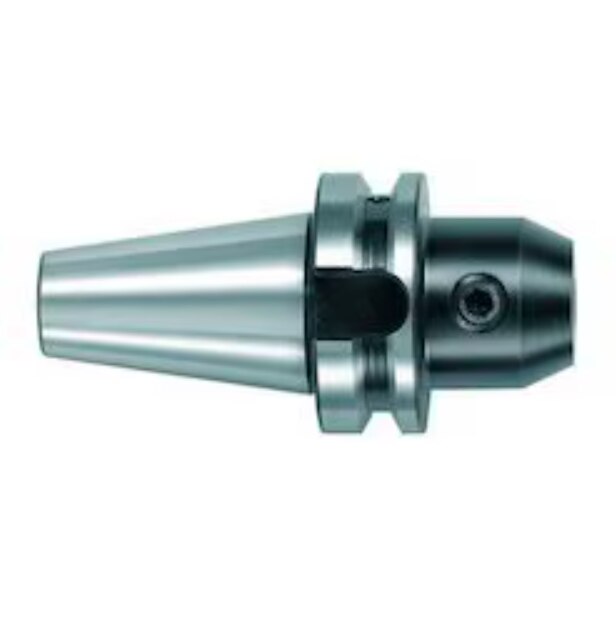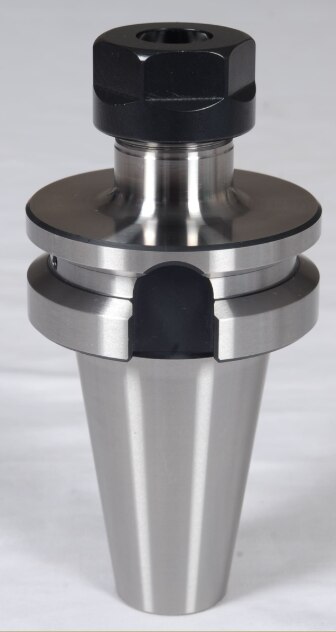


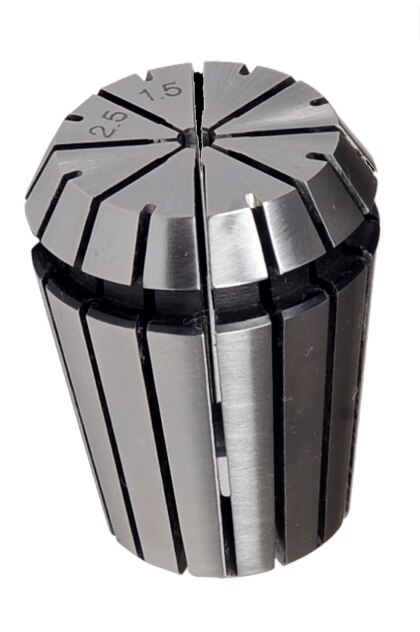
A sealed drill collet can reduce coolant escape around a tool shank, but “sealed” does not identify one standard design or guarantee through-tool coolant. You will be able to define the required configuration, compare ER 25 with ER 32, test a supplier’s claims, and decide whether a bulk import will reduce machining problems or add maintenance risk.
Key takeaways
- Choose sealed collets for standardized through-coolant drills and repeatable diameters.
- Confirm spindle, chuck, nut, coolant pressure, and sealing compatibility before ordering.
- Compare ER 25 and ER 32 by tool range, rigidity, access, and inventory needs.
- Demand inspection records, dimensional data, material details, and export documents.
When does a sealed drill collet make commercial sense?
The commercial case for sealed drill collets for overseas bulk buyers starts with process fit, not ER size or supplier price. Choose them when you run standardized cylindrical-shank drills with through-coolant holes, a documented coolant-pressure requirement, and repeatable tool diameters across production batches.
They are a poor fit for mixed shank sizes, frequent flat-shank tools, or low-pressure external coolant.
Confirm what the seal is intended to do before ordering:
| Function | What it means | When it makes sense |
|---|---|---|
| Through-tool coolant | Coolant travels from the spindle through the chuck, collet and drill into internal coolant channels | Use with bored drills and a documented pressure requirement |
| Shank sealing only | The collet stops coolant escaping around the shank but does not create a coolant passage | Use when the holder lacks a matching internal route |
| Standard gripping | The collet grips the drill without sealing coolant | Use for dry cutting or external coolant |
A sealed collet alone cannot create through-tool coolant. The machine spindle, chuck, nut, tool and internal drill channels must form one continuous path; a gap anywhere defeats the function. Decide whether you need coolant delivery into the drill or only leakage control around its shank.
If tool diameters vary widely, surfaces include flats or grooves, or seal cleaning and replacement will outweigh coolant savings, standard collets may be the better commercial choice.
What must the spindle, chuck, nut and coolant circuit support?
Compatibility depends on a continuous coolant path and a correctly seated assembly, not the ER number alone. Before ordering, record the spindle interface, holder model, ER size, mating nut, keyway and taper geometry, then obtain the holder maker’s drawing.
Ask a sealed collet export supplier to confirm that the nut accepts the specified sealed collet and that the passage aligns through the spindle, holder, nut and tool.
| Component | Record | Verify |
|---|---|---|
| Spindle and holder | Interface, model and taper | Drawing matches the machine and holder |
| Collet and nut | ER size, keyway and mating nut | Nut seats the collet without interference |
| Coolant circuit | Spindle inlet, holder passage and drill hole | One uninterrupted route reaches the tool |
Ask for the tested coolant-pressure limit. Do not infer it from the machine pump: the seal, shank fit, passages, nut and collet condition set the assembly limit.
Use a clean, continuous cylindrical shank. Reject Weldon or drive flats, scratches, oil grooves, rough surfaces and undersize shanks because they create leakage paths or cut the sealing lip.
Compare the collet drawing with ISO 15488 or DIN 6499 documentation, including back angle, overall length and seating features. Then test leakage on the complete holder, collet, nut and tool at your pressure, coolant temperature and fluid concentration. A loose-collet test proves little; it cannot expose leakage at the shank, nut or holder interface.
How should you choose between ER 25 and ER 32 sealed drill collets?
Choose ER 25 when the drill shanks fit its sealed bore range and the smaller assembly meets your rigidity, tool-length and radial-runout target. Choose ER 32 when larger shanks, longer tools or greater support demand require the larger holder system.
ER 25 and ER 32 identify size and nut/taper families, not sealing method, pressure rating or runout performance.
| Option | Select it when | Check before ordering |
|---|---|---|
| ER 25 sealed drill collets | Shanks fit the effective sealed range and the compact assembly provides adequate rigidity | Confirm bore range, tool length and complete-assembly runout |
| ER 32 sealed drill collets | Larger shanks, longer tools or higher support demand govern the choice | Confirm holder capacity, rigidity and the mating nut |
| Neither by designation alone | You lack verified sealing or assembly data | Do not infer performance from the ER size |
Request the effective sealed range for every part number. Standard ER 25 and ER 32 ranges do not prove that each diameter has an integral seal. Ask whether the seal is continuous, size-specific, replaceable or supplied as a separate insert. Specify bore diameter, permissible shank tolerance, concentricity, hardness and surface-finish limits.
Measure runout with the holder, collet, nut and a stated test shank. Compare it at the cutting edge or a defined gauge length; a loose-collet figure will not expose nut eccentricity, dirt or incorrect seating. Include the balance grade when spindle speed makes imbalance a production concern.
Which technical evidence should a bulk buyer demand from the supplier?
A quotation is verified only when it defines performance, materials and traceability; “ER25” or “ER32” alone describes a size family, not a sealed product.
| Evidence | What to demand | Why it matters |
|---|---|---|
| Drawing | Collet drawing, revision, bore range and sealing arrangement | Prevents an unapproved geometry change |
| Materials | Steel grade, heat-treatment record and seal material | Links durability and chemical resistance to the quoted part |
| Limits | Operating temperature, water-miscible coolant concentration, tramp-oil and cleaning-chemical limits, maximum tested pressure and expected seal life | Exposes service conditions that can damage the seal |
| Documents | Material certificate, inspection report, batch number and lot traceability | Makes a production fault traceable |
A sealed collet export supplier must provide a written leakage-test method stating pressure, hold time, fluid, temperature, test shank and acceptance limit. Ask for assembly runout results, not a loose-collet reading.
Approve a pre-shipment sample lot before releasing production. Check bore geometry, external dimensions, markings and seal fit against the drawing, then require the production shipment to match that approved configuration.
When comparing coolant drill collets India suppliers, compare delivered evidence rather than unit price:
- Tested leakage at your pressure
- Lot-to-lot consistency
- Replacement-seal cost
- Nonconformance response
- Export packaging and inspection documents
LEXIS TOOLING SYSTEMS PRIVATE LIMITED belongs on the comparison list only after it supplies this evidence and matches the approved sample. Confirm whether the price includes the sealed collet, matched nut, replacement seal, protective cap and inspection documents.
Related services
ER Collets ER25 Collet system also known as RD25 Collet system are standardized and manufactured as per DIN 6499 standard guidelines and are truly... View service → |
 | COLLETS Collets for Industries View service → |
What should the purchase order and receiving plan cover?
A sample approval prevents one approved collet from becoming an unverified bulk shipment. Treat the approved sample, drawing revision and test limits as contractual references, not informal supplier promises.
1. Put the drawing revision, part number, sealed bore range, accuracy class, mating nut, seal material, pressure-test requirement and approved sample reference on the purchase order. State the minimum order quantity, permitted mixed-size quantities, individual protection, carton and pallet dimensions, gross weight, lead time, payment terms and agreed Incoterm.
2. Before dispatch, confirm the HS classification and country-of-origin documents with your customs broker. Require the commercial invoice, packing list, certificate of origin and any agreed inspection records, including pressure, runout, material and lot-traceability reports.
3. On receipt, record carton damage and moisture before opening the shipment. Check protective caps, size markings, batch numbers and quantities, then test samples from every lot for shank fit, runout and leakage with the production coolant.
4. Establish a cleaning procedure before operators use the collets. After repeated tool changes, inspect the sealing lip for chips, cuts, deformation and dislodgement; obtain replacement seals and a written replacement method. Reject or quarantine any lot that exceeds the approved pressure or runout limit instead of mixing it with accepted stock.
This plan determines whether sealing reduces coolant-related downtime or creates an avoidable consumables problem.
Frequently asked questions
When does a sealed drill collet make commercial sense?
Choose one when your production uses standardized cylindrical-shank drills with through-coolant holes, documented coolant-pressure requirements, and repeatable tool diameters.
What must the spindle, chuck, nut, and coolant circuit support?
Verify the collet series, chuck interface, nut dimensions, tool-shank range, coolant entry path, sealing arrangement, and operating pressure before purchase.
How should you choose between ER 25 and ER 32 sealed drill collets?
Compare the required tool-diameter range, available spindle and chuck space, rigidity needs, coolant access, and the number of sizes you must stock.
Which technical evidence should a bulk buyer demand from the supplier?
Request dimensional drawings, tolerance data, material and heat-treatment details, runout results, sealing and pressure information, inspection records, and traceable batch identification.
What should the purchase order and receiving plan cover?
Specify the ER size, bore range, dimensions, tolerances, packing, documents, batch traceability, inspection method, acceptance limits, and procedure for nonconforming parts.
Related service
ER Collets ER32 Collet system also known as RD32 Collet system are standardized and manufactured as per DIN 6499 standard guidelines and are truly... View service → |